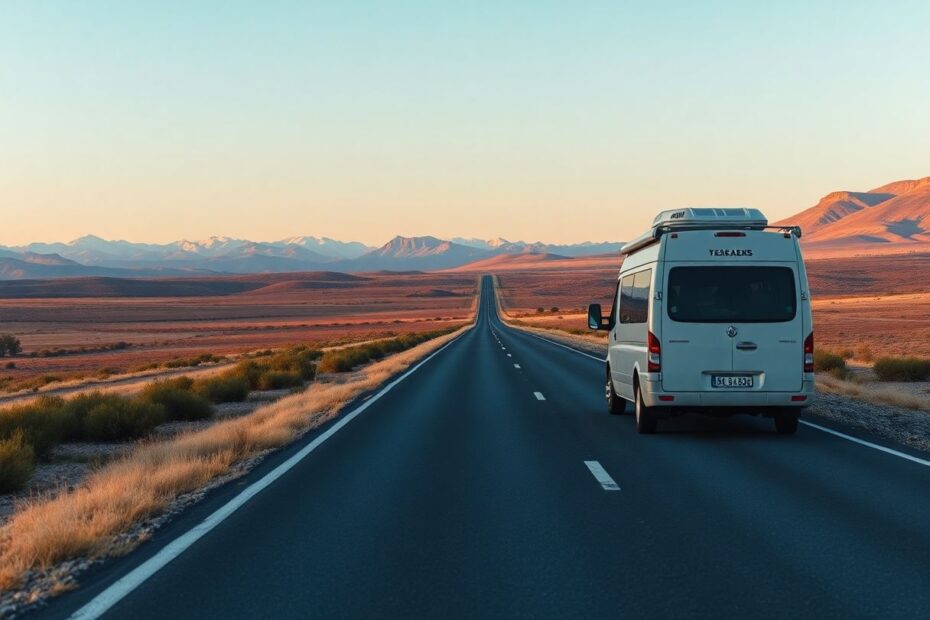
In an era of digital transformation, the traditional office concept is rapidly evolving. More businesses are embracing remote work, with some adventurous professionals taking this flexibility to new heights by working from the road. This isn't just a passing trend; it's a revolution in how we approach the work-life balance. Let's delve into why working from the road can be advantageous for businesses and how you can make it work effectively.
Why Working from the Road is Good for Business
Increased Productivity and Creativity
One of the most significant benefits of working from the road is the boost in productivity and creativity. A change of scenery can do wonders for the mind, sparking new ideas and perspectives. According to a 2026 study by the Digital Nomad Association, 78% of remote workers reported feeling more creative when working from diverse locations.
- Fresh environments stimulate the brain
- Reduced office distractions lead to better focus
- Flexible schedules allow work during peak productivity hours
"I've found that my best ideas come when I'm parked near a beach or in a national park. There's something about nature that unlocks creativity," says Sarah Chen, a software developer who has been working from her converted van for the past two years.
A 2026 study published in the Journal of Environmental Psychology found that employees who worked in natural settings reported a 23% increase in creative problem-solving abilities compared to those in traditional office environments.
Cost Savings for Businesses
Working from the road can significantly reduce overhead costs for businesses. With no need for expensive office space, companies can redirect funds to other areas of growth.
- Elimination of office rent and utilities
- Reduced equipment and furniture expenses
- Lower insurance costs
A 2026 report by FlexJobs found that companies save an average of $22,000 per remote employee annually. This figure includes savings on rent, utilities, office supplies, and even reduced turnover rates.
Access to a Global Talent Pool
When work is not tied to a specific location, businesses can tap into a global talent pool. This diversity can bring new perspectives and skills to your team.
- Hire the best talent regardless of location
- Diverse teams lead to more innovative solutions
- 24/7 productivity with team members in different time zones
A 2026 McKinsey Global Institute report revealed that companies with ethnically diverse executive teams were 36% more likely to outperform their peers in terms of profitability.
Improved Work-Life Balance
Perhaps the most significant advantage is the improved work-life balance that comes with the freedom to work from anywhere.
- Ability to travel and work simultaneously
- More time for family and personal interests
- Reduced stress from commuting
A 2026 survey by Remote Year found that 91% of digital nomads reported higher job satisfaction compared to when they worked in traditional office settings. Furthermore, a study published in the Journal of Occupational Health Psychology in 2026 showed that remote workers experienced 25% less work-related stress than their office-bound counterparts.
How to Successfully Work from the Road
Invest in Reliable Technology
The foundation of successful remote work is robust technology. Ensure you have:
- A high-performance laptop
- Reliable mobile hotspot or satellite internet
- Backup power sources (solar panels, power banks)
- Cloud storage for easy access to files
Pro tip: Use a VPN to ensure secure internet connections when using public Wi-Fi.
According to a 2026 survey by Nomad List, 87% of digital nomads consider a reliable internet connection their top priority when choosing a work location.
Create a Mobile Office Setup
Your workspace should be comfortable and conducive to productivity, even on the move.
- Ergonomic seating and desk setup in your vehicle
- Noise-cancelling headphones
- Portable monitor for extended screen space
A 2026 study in the Ergonomics journal found that digital nomads who invested in ergonomic mobile setups reported 30% fewer musculoskeletal issues compared to those who didn't.
Develop a Routine and Set Boundaries
Structure is crucial when your office is wherever you park.
- Establish regular working hours
- Create a morning routine to get into "work mode"
- Set clear boundaries between work and personal time
A 2026 study in the Journal of Applied Psychology found that remote workers who maintained a consistent routine were 27% more productive than those with irregular schedules.
Stay Connected with Your Team
Communication is key when working remotely. Utilize tools like:
- Slack for instant messaging
- Zoom or Google Meet for video conferences
- Project management tools like Asana or Trello
A 2026 Gallup poll revealed that remote teams who had daily check-ins were 43% more likely to report high levels of engagement compared to those with less frequent communication.
Plan Your Route Strategically
Consider your work needs when planning your travel route.
- Research areas with reliable internet coverage
- Plan stops in coworking spaces or cafes for important meetings
- Balance remote locations with urban areas for better connectivity
The 2026 Digital Nomad Index by Nomad List shows that cities like Lisbon, Bali, and Medellin consistently rank high for their combination of good internet infrastructure and quality of life.
Manage Your Finances Carefully
Working from the road requires careful financial planning.
- Use budgeting apps to track expenses
- Research tax implications of working in different states or countries
- Consider using a mail forwarding service for important documents
A 2026 survey by the Freelancers Union found that digital nomads who used budgeting apps were 40% more likely to report financial stability compared to those who didn't.
Prioritize Self-Care
Working from the road can be exhilarating but also challenging. Don't neglect your physical and mental health.
- Maintain a regular exercise routine
- Practice mindfulness or meditation
- Take breaks to explore your surroundings
A 2026 study in the International Journal of Environmental Research and Public Health found that digital nomads who practiced regular self-care reported 35% lower levels of burnout compared to those who didn't.
Real-World Success Stories
The Traveling Consultant
Jake Thompson, a management consultant, has been working from his RV for the past three years. "I've visited 48 states while growing my client base by 200%," he shares. "The key is to over-communicate with clients and always deliver high-quality work, regardless of where you are."
The Mobile Marketing Agency
Digital Nomads Co., a marketing agency founded by Lisa and Mark Rodriguez, operates entirely from the road. "Our team of 15 is spread across three continents, and we've seen our productivity increase by 35% since going fully remote," Lisa explains. "We use virtual reality for team meetings, which helps maintain a sense of connection despite the distance."
Overcoming Challenges
Working from the road isn't without its challenges. Here are some common issues and how to address them:
Unreliable Internet: Invest in multiple internet options, including satellite internet for remote areas. Companies like Starlink are making high-speed internet accessible in even the most remote locations.
Time Zone Differences: Use tools like World Time Buddy to coordinate across time zones. A 2026 study by Buffer found that teams who used time zone management tools reported 28% fewer scheduling conflicts.
Isolation: Join digital nomad communities and co-working spaces to connect with others. Platforms like Nomad List and Meetup.com have seen a 150% increase in digital nomad group memberships since 2026.
Work-Life Balance: Set strict work hours and learn to disconnect when the workday is over. A 2026 study in the Journal of Occupational Health Psychology found that digital nomads who maintained clear work-life boundaries reported 40% higher job satisfaction.
The Future of Remote Work
As we look towards 2026 and beyond, the trend of working from the road is set to grow. Advancements in technology, such as 6G networks and improved satellite internet, will make it even easier to stay connected from anywhere.
A 2026 report by Gartner predicts that by 2027, 75% of knowledge workers will be working remotely at least part of the time. This shift is not just changing how we work, but also how we live, travel, and interact with the world around us.
Companies are also adapting, with many large corporations now offering "work from anywhere" policies. Tech giants like Twitter and Shopify have announced permanent remote work options, while others like Microsoft and Google are adopting hybrid models.
The Environmental Impact
An often overlooked benefit of remote work is its potential positive impact on the environment. A 2026 study by Global Workplace Analytics found that if those with remote-compatible jobs worked from home just half the time, it would reduce greenhouse gas emissions by 54 million tons annually – the equivalent of taking 10 million cars off the road for a year.
However, it's important to note that the environmental impact of digital nomadism is complex. While it reduces commuting-related emissions, increased air travel can offset these gains. A 2026 study in the Journal of Sustainable Tourism suggests that digital nomads who practice slow travel – staying in one location for extended periods – can significantly reduce their carbon footprint compared to frequent flyers.
The Economic Ripple Effect
The rise of digital nomadism is also having interesting economic effects on various communities. Small towns and rural areas that were previously experiencing population decline are seeing an influx of remote workers.
A 2026 report by the Rural Economic Development Institute found that areas with high concentrations of digital nomads saw an average 15% increase in local business revenue. This "nomad economy" is creating new opportunities in hospitality, co-working spaces, and local services.
Conclusion
Working from the road offers a unique opportunity to combine work with exploration and personal growth. It challenges the traditional notions of what a workplace should be and opens up new possibilities for businesses and individuals alike. While it requires careful planning and self-discipline, the rewards can be immense – from increased productivity and creativity to a more fulfilling work-life balance.
As we move forward, the lines between work and life will continue to blur, and those who can adapt to this new paradigm will find themselves at the forefront of a global shift in work culture. Whether you're an entrepreneur, a freelancer, or part of a larger organization, consider how working from the road might benefit you and your business.
The world is waiting – why not make it your office? With the right tools, mindset, and approach, you can turn the open road into a pathway to professional success and personal fulfillment. As more people embrace this lifestyle, we're likely to see continued innovation in remote work technologies, evolving corporate policies, and perhaps even changes in urban planning and rural development.
The freedom to work from anywhere is more than just a perk – it's a transformative force that has the potential to reshape our society, economy, and relationship with work itself. As we navigate this new frontier, the possibilities are as vast as the open road ahead.
